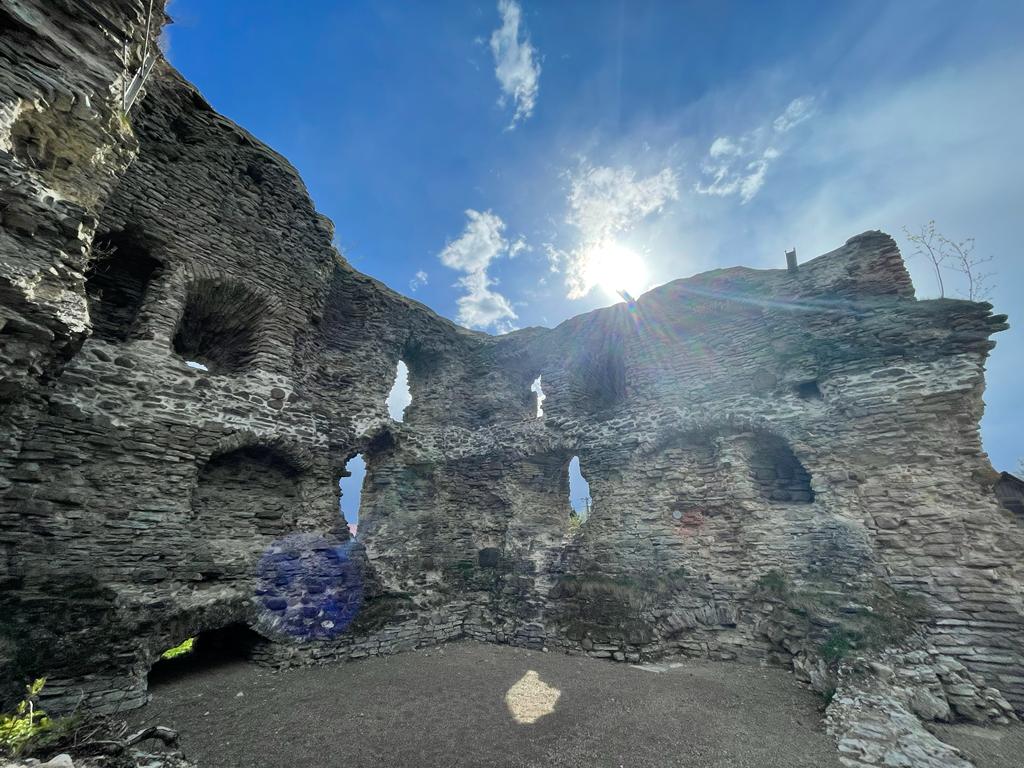
After our first brief encounter with authorities, we made a little walk through Vasknarva. Neat little village which once was of great importance. The ruins of a castle which was destroyed and rebuilt at least 3 times, showed that former rulers saw value in having a defensive structure at the beginning of the Narva river. (you wouldn’t guess if you see the village).
Lake Peipus is the largest lake of Estonia and the fourth in size on the European continent. It’s divided by Russia and Estonia. Clear red markers show where the border in the lake runs. To sail the waters of the lake you need a permit from the border guards and state, and purpose a sailing plan. Crossing the border is off limits!
Along the shores we found a nice spot to put up camp and take a dive in the crystal clear water. We forgot that 3 weeks before our arrival there was still a layer of ice on the lake, so you can imagine the water temperature!
The lake is so wide that you can’t see the other side. The white sandy shore (beaches) and waves gave us the impression that we were back at sea again, with the big difference that we now enjoyed the fresh, instead of the salt water.
The next morning I turned another year and what better than to start (again) with a jump in the icy waters of Lake Peipus and feel like re-born. Warming up in the strong morning sun on a completely empty beach, gives you that nuclear energy to go for another year of living the life!

A bit disappointing sometimes is that you stumble upon so many little and big chalets, houses and cabins in areas designated as park or reserves (or what should be a protected area anyway because of its beauty). During the Soviet occupation but especially in the chaotic years after gaining independence, the former Soviet countries had to start from scratch (including a legal system). A lot of corruption took place and many people obtained permits by paying those who could give the permits. Luckily the new states are now cracking down on these practices and are even going back in time to correct the wrong. Also along Lake Peipus the situation as described is clearly visible.
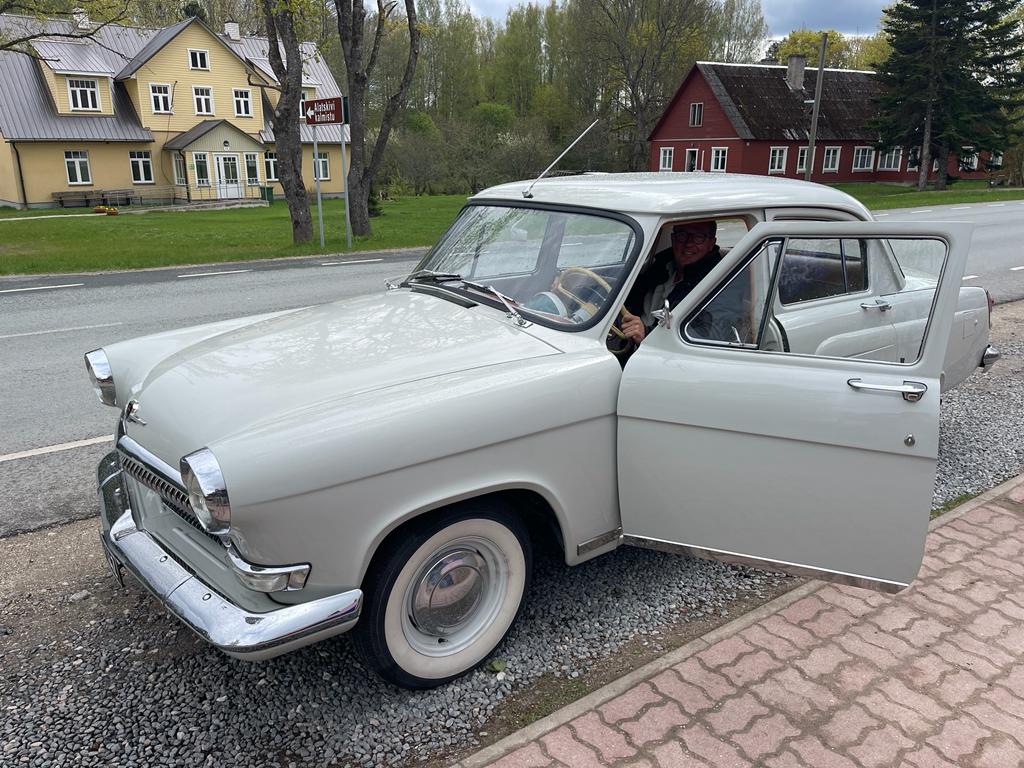
At lunch time we stopped at the first decent restaurant we saw since our ”heavy metal” experience. Busy place, colorful and nice variety of food. They also were a shop selling local produce. When using the bathroom, I found a large collection of Dutch ceramic plates on the wall with funny Dutch texts on them. Turns out, the lady owning the place, is married to a Dutchman (small world). During lunch we entered into a nice conversation with a couple from the nearby town of Tartu. A physics scientist who was proudly showing off his completely restored 1965 Russian Volga. A beautiful car! After I told him that that it is also my birth year and that – on top of that – it was my birthday, he got us a nice local fruit wine on the table. The lady from the restaurant noticed and presented me with a nice jar of locally made marmelade. Well, it all felt like a real birthday, together we had a real good time!

After lunch we visited a perfectly renovated manor (Castle Alatskivi) in the village, which was re-built in its present style in the late 1800’s by Baron Nolcken, who made it a small copy of famous Balmoral Castle in Scotland. A very enthusiastic museum curator (who was happy to meet the first visitors from Sint Maarten, according to her administration) gave us a private tour through the castle.
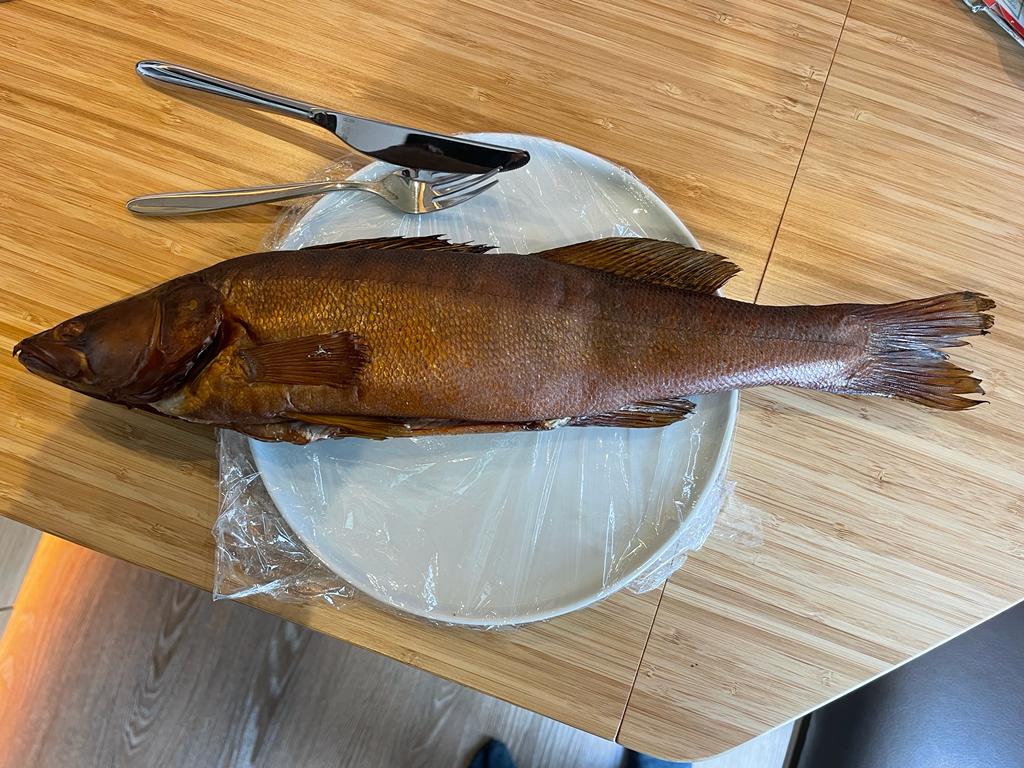
On return to our truck, there was Hans, the Dutchman married to the lady owner of the restaurant. We started a nice chat and due to the rain, we ended up having a coffee in the camper. Since time passed fast, he suggested us to camp the night at the lake, near his guesthouse. A kind offer we could not refuse. A day full of nice surprises, which we finished with a big smoked Peipsi white fish, bought from a local fisherman.
As suggest by the physics scientist, we paid a visit to the city of Tartu (second largest city of Estonia), a real university city of which 40% of its inhabitants are students. As we were already spoiled by the old cities of Gdansk, Riga and Tallinn, we were not so impressed with Tartu and moved on to the Antu Lake district in the south east of Estonia. We first found a nice spot (again) on a lake. There was nobody. We made a nice hike, but when we returned, the spot was changed into a party spot. Lots of people with cars, loud music and bbq’s had taken over the spot. Since we got the feeling that our presence was not so appreciated, we moved on. We can’t be lucky all the time! Driving through the forest, we found on our Garmin another smaller lake and a forest trail. With the last one, I mean the trail, not really for big trucks, with overhanging trees and trees close to the trail. In these cases Marja jumps on the hood of the truck and guides me while lifting up overhanging tree branches, so that they can’t cause damage. Life of a co-pilot is not always easy.
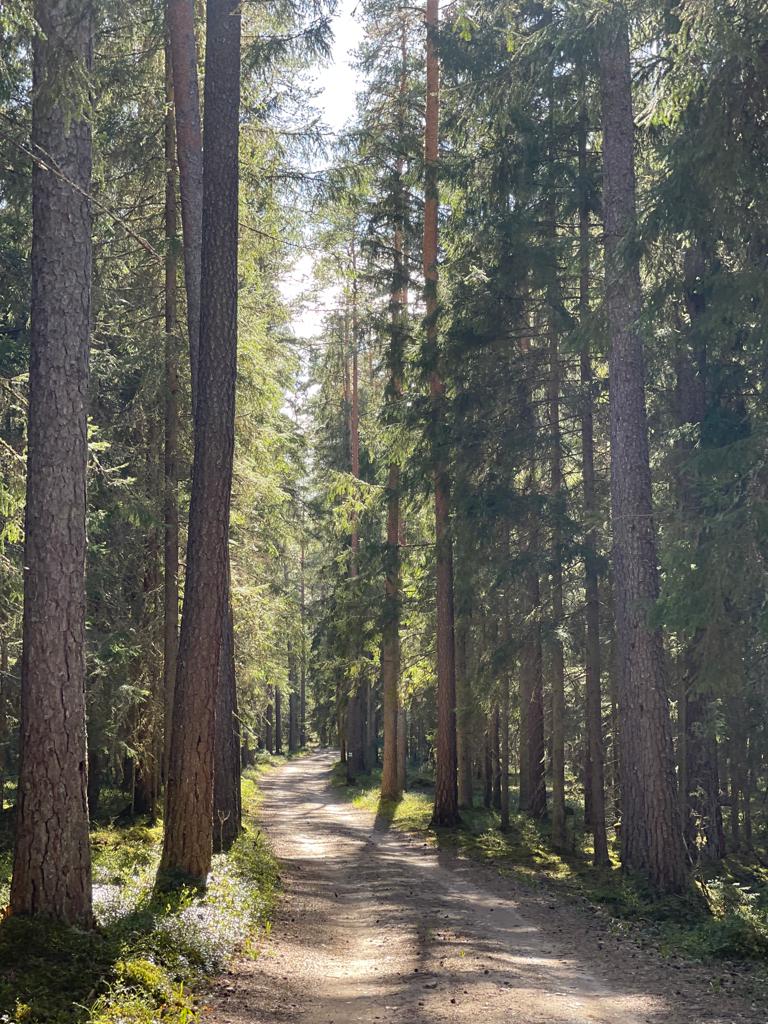
We managed to get through and ended up at a beautiful spot, but…..a couple had just put up their tent and had a campfire ignited. We were surprised, they even more. (I can imagine their thoughts when being together alone in a peaceful quite piece of nature and this big noisy truck shows up). We felt actually even sorry for them and wantend to go back. However, we asked them if they would be troubled by our presence it turned out they were actually not. We even ended up that evening, staying together at their campfire with them and had some nice chatting.
Continuing the next morning, our route in the lake district drove through the many timber roads in the forests. We have learned from previous trips, that nice spots can be found in timber forests (but a good 4×4 vehicle is often required and in some cases an axe as well), where you usually find nobody and you are actually not violating rules. You are not damaging nature (since these forests are production forests). In Europe forestry is done in a reasonable sustainable way. They cut small sections in an existing forest and re-plant. Also, in some reserves and national parks cutting of trees is done, which is unfortunate, since often it are the older trees which make these parks and reserves so beautiful. This is done legally (pemitted), semi-legal (with the help of corrupt officials) or illegal. The worldwide rise in timber prices and the demand for bio-fuel (timber to burn in power plants, instead of gas and coal), are driving forces behind the increase in legal and illegal tree cutting.
A section of protected forest near a timber zone, on top of a hill, is where we found this tall observation tower. We parked the truck there for the night and were able to see from the tower our surroundings. The ruins of an old farmhouse was nearby and we noticed the many scratches on the trees, a sign of the presence of deer, who rub their antlers against the trees to remove the skin of their fresh antlers. From the tower we could hear the many different birds calling in for the night. Just listening to their best songs can be so rewarding.

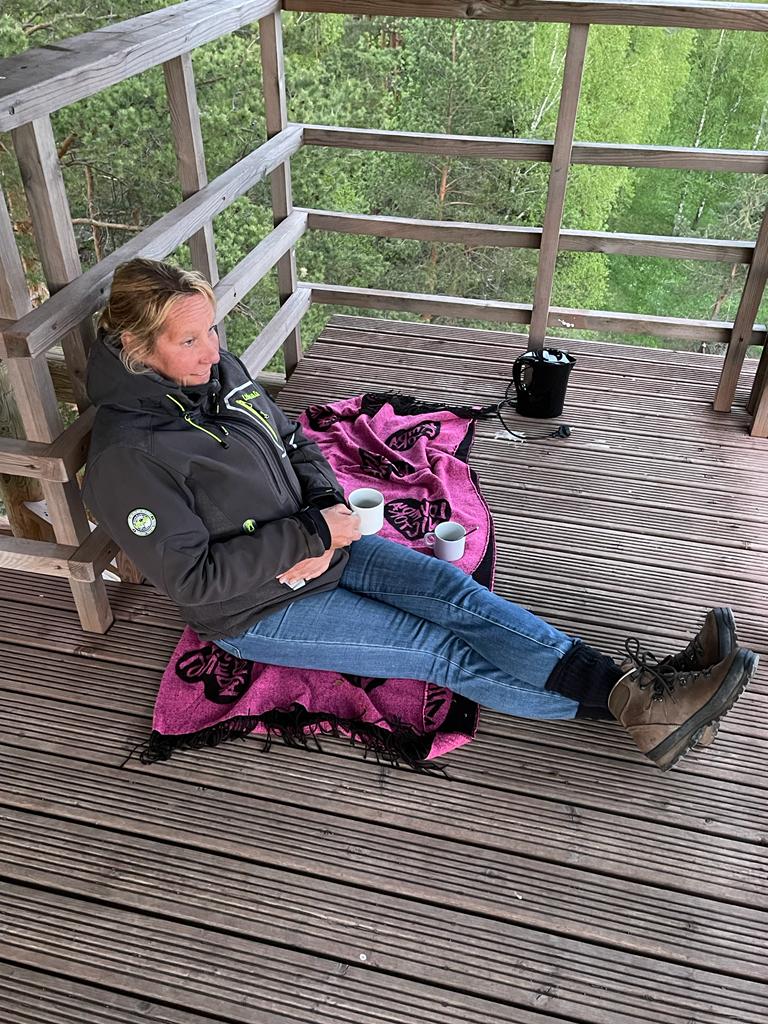
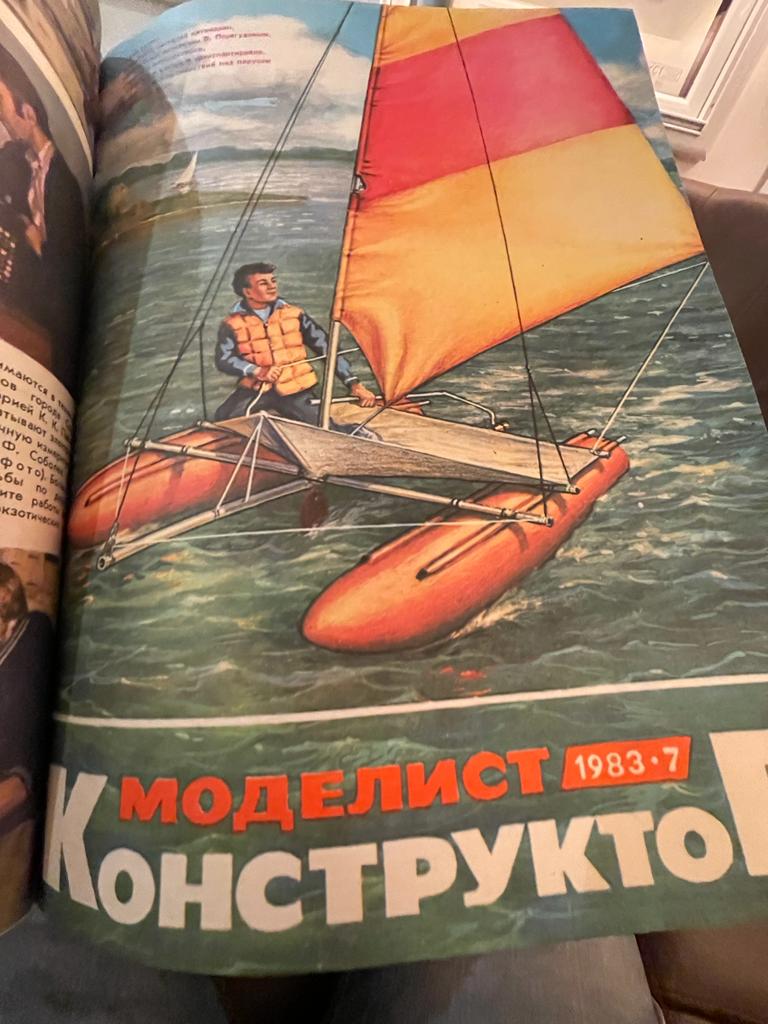
What made us wondering is, that although the lake district is described as a (popular) tourist destination, we hardly saw any tourist infrastructure. No hotels, restaurants, holiday homes etc. According to locals, its mainly tents, campers (or caravans) who come to this area. We did find an old small holiday camp with some older cabins, where we could park the truck. We took out the bicycles and spent a good day riding around the area. Most roads in the area are unpaved and there is hardly any traffic, perfect for an undisturbed ride. By now, the pasture lands (which are in comparison to The Netherlands, full of wild plants, since they are far less cultivated), are almost all yellow from the wild flowers. An amazing sight. Its also in these lands (with so many wild flowers and blossoms) that you find beehives at nearly every little farmhouse. Small scale farming (though not economical in our modern times), definitely has it charmes. We stopped at an abandoned large manor house. It turned out that during Soviet times, it was in use as a school. Schoolbooks and some furniture where still laying around. One book even showed about sailing in a catamaran, so I assume, some fun could be had in those days!
A few kilometers before we reached camp, we noticed a huge garden like place, with little ponds, bridges, beautiful small wooden chapel on a hill top and hundreds of wooden status of holy figures. Turns out a local (dedicated Christian believer), had made this pelgrimage site, which is now visited by people from all over the world. (The amount and size of the wooden statutes is amazing and also how he transformed a piece of land in a little meditation paradise where people (try) to find some kind of spiritual energy. (Mount Christ near the village of Aglona Latvia)


Leaving Estonia and crossing back into Latvia, we stayed in the Soviet mood. We drove to a city called Visaginas in Latvia. Built in the late seventies by the Soviets in the middle of the forest near lake Visaginas (largest lake of Latvia) to accommodate over 35,000 people who were involved with the construction and operation of The Ignalina Nuclear Power plant. The city has the nickname of the Butterfly city, due to butterfly shape (tough only about half of the city was built, because also only half of the nuclear power plant was built (2 instead of 4 reactors).
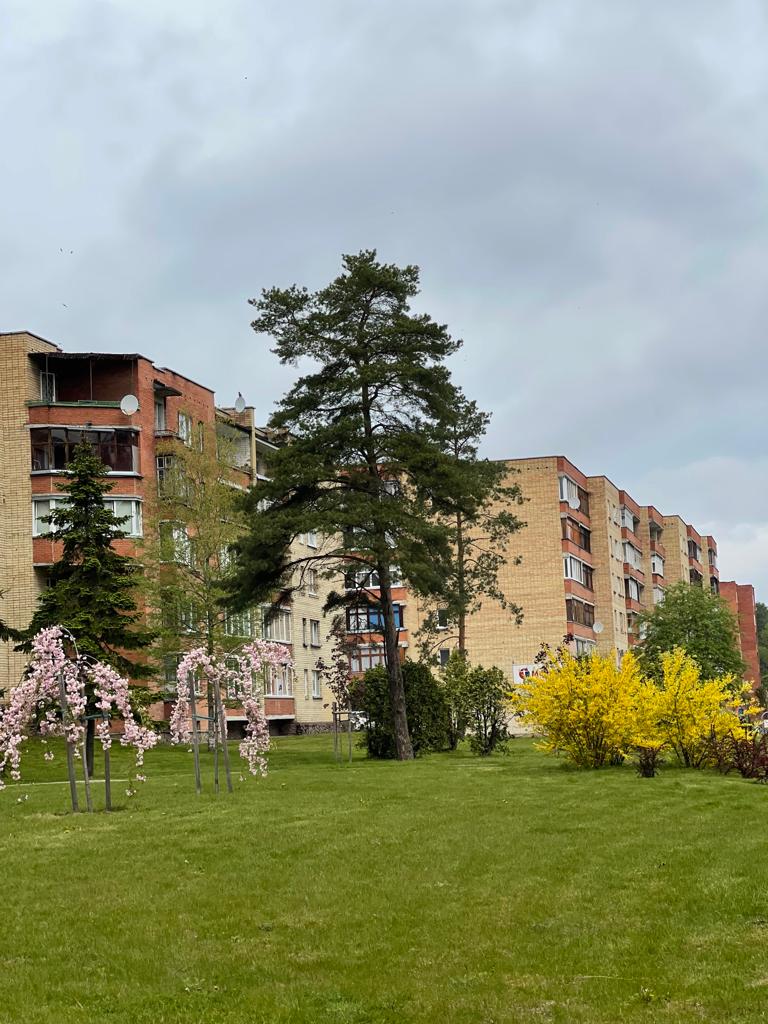
The idea of the Soviet authorities in those days was to creat a model city. The best engineers, scientists and other professionals from all over the USSR where going to be housed in that city. The Ignalina nuclear powerplant was going to be a showcase of Soviet technology.
Visaginas, although it consists mainly of big apartment blocks, is different from the other Soviet style cities or districts we have seen. There is more variety in the buildings, they are set up between wide avenues and there are lots of parks. It’s a city where people could live in a harmonieus way. Typical for communist countries is that, you really have to look through a window, to see which store is inside. Everyone living in the city suppose to know where what to find. Definitely no advertising!

Due to the fact that the power plant is of the same kind as the Chernobyl power plant (remember the nuclear accident), the Latvian government had to shut down this plant as well. This was actually one of the conditions to become an EU member. For all those in Visaginas, who where 100% involved in the power plant, this was a disaster. We noticed so much pride with the power plant project among the people who work(ed) there! Many Russians remained after Latvia became independent and continued working with or for the power plant. Now this was all over. The Russians felt marginalized and to cope with the effects of job losses, the Latvian government with EU funding, spent millions in upgrading the city and generating new opportunities. Still the inhabitants hold a crunch against the government and the EU, especially as the the power plant, due to a lot of security upgrades, had been certified by the International Atomic Energy Agency, as being safe to operate.
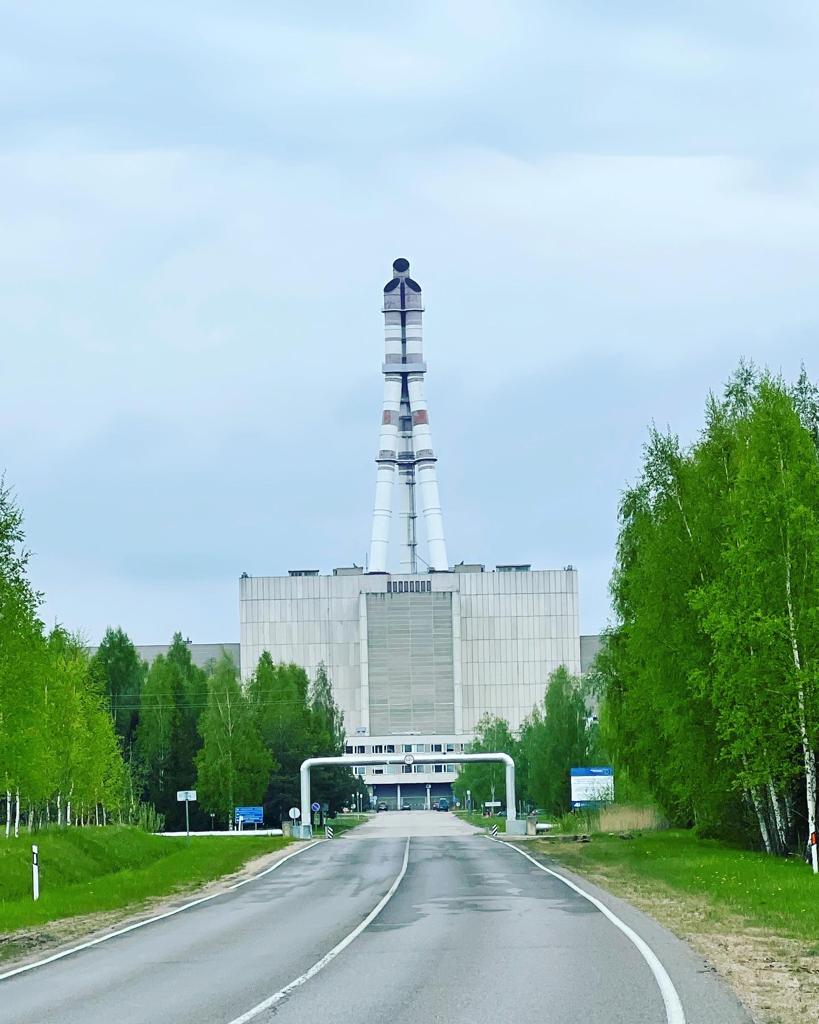
Nowadays, the Ignalina Nuclear Power Plant is one of the largest nuclear power plants in the world being de-commissioned. That means it’s officially taken apart step by step and each item needs to be cleaned from nuclear waste. A job which can take many decades and costs the EU billions of Euros. The radio active waste will be stored nearby in bunker/silo style facilities. Depending on which material, the waste can stay radio active for hundreds of thousands of years! We were explained the importance of the involvement in the de-commissioning of the scientists who were there when the facility was built and operated, as there are no others in the world with this kind of expertise. Their input, advise and knowledge is needed in this process. De-commissioning could therefore not be postponed.
Our guide (a third generation lady of a Russian family in Visaginas), gave us an interesting and very informative tour through the facility. She underscored her and the people of Visaginas’ feelings about the loss of ”their” power plant. It’s like those families who work for generations at a factory (everything is about the factory, the factory also determines social life of the workers) and then it suddenly closes. She also explained how hard it is for the town to re-invent itself and that many young people are leaving. Thirty years after the collapse of the USSR, for some the collapse is still an un going process.
That evening we parked the truck near a small micro-brewery. One of the small business initiatives in Visaginas. The brewery Bear and Boar is located in a forest area, in an old industrial building. They had a little bar with a small food menu. And where in the world can you get beers like Atomic Blonde and Radio Active Lager? At least they tried to commercialize their ”radioactive” past (though its not really past yet). After a couple of Atomic Blondes, the bar was packed with people and sound equipment was set up. They said we were lucky as there was gonna be a show! Nice, I thought, live music! Nope, 4 Russian speaking stand-up comedians and we had front row seats! Boy, these Russian could tell jokes…..the audience were rolling over the floor (sometimes I thought we were the subjects of the jokes). Not a single word we understood!
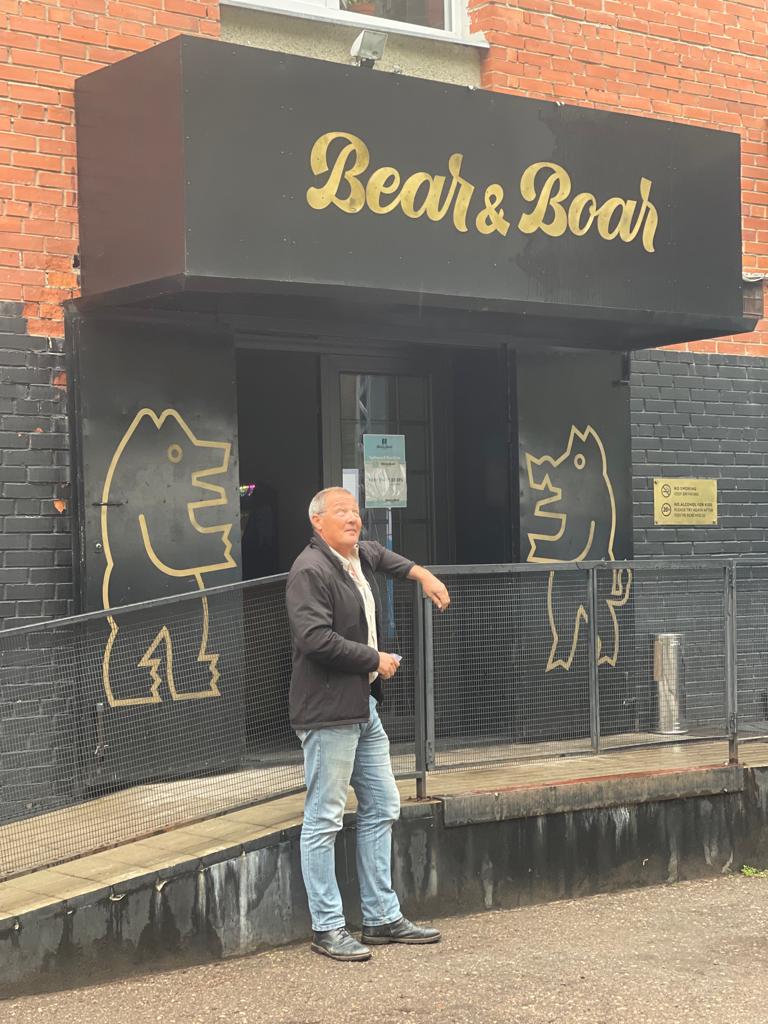
Since there is zero-tolerance for alcohol when driving in these countries, we were happy that the truck was parked only a few steps away and nobody notices when we are inside. We slept in the nuclear town of Visaginas, right next to the brewery…..
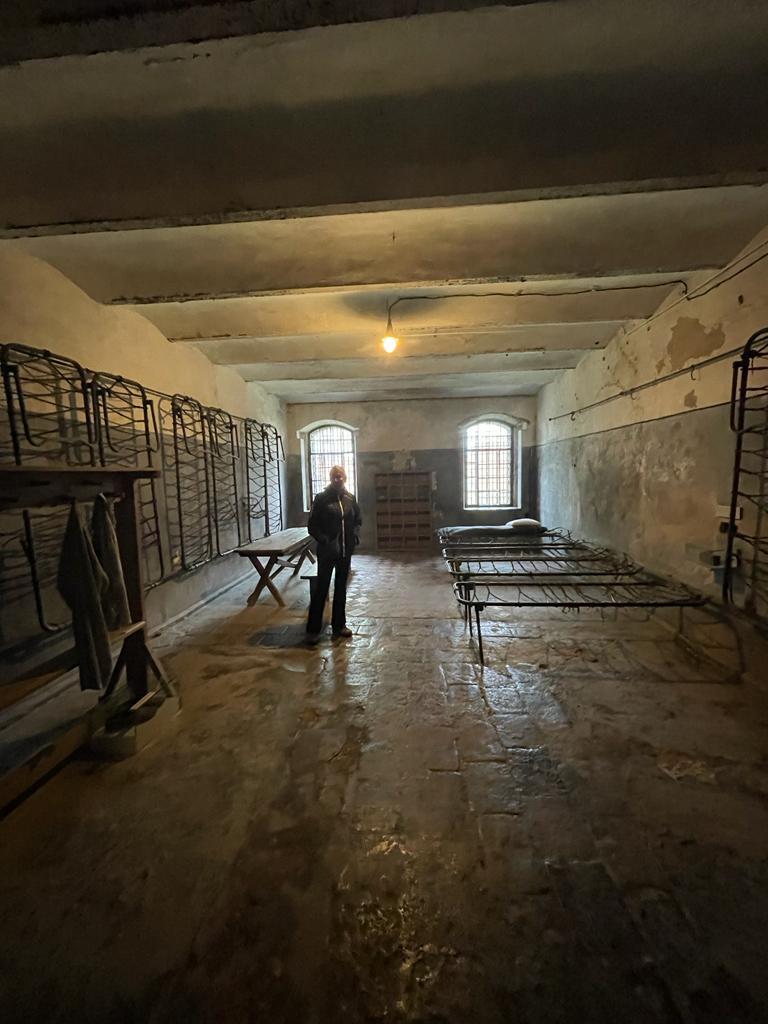
Going away from the border area, we went to the city of Kaunas. Unfortunately a rainy day and the highway towards that town is so heavily used by heavy trucks that the lanes had pretty deep groves in it. Driving in the rain on such a road with off-road tires is not easy. I had to firmly hold the wheel to stay on course. We first visited the Ninth Fort on the outskirts of Kaunas. A well renovated piece of the greater Kaunas fortress. The fort has a dedicated museum towards its history as a prison and execution place during the German and Soviet occupation. Again we were stunned to see and read about the horrors which had taken place, and between these walls. This visit was actually an accumulation of all the places we have seen, visited and read about, were atrocities have taken place in the Baltic countries. Its beyond my imagination to describe the pain and suffering which the people of these 3 small countries have endured. And not all that long ago.
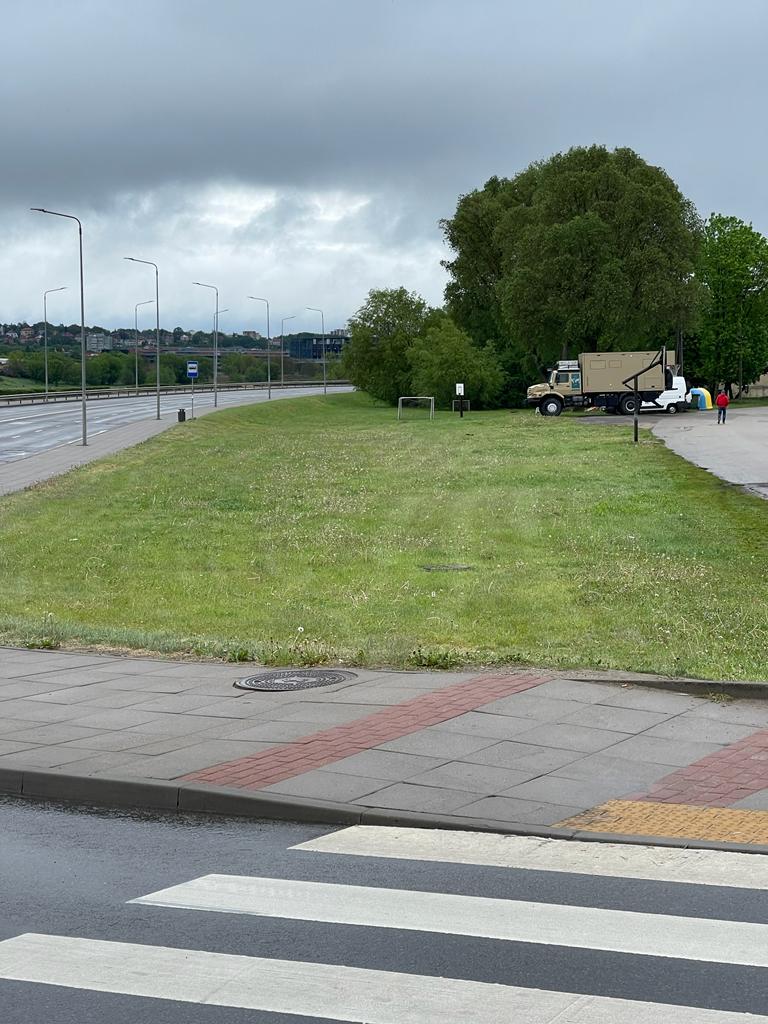
A rainy day, a depressing visit and that all on Marja’s birthday! So how to fix that? We drove to the center of old town Kaunas, where on the Garmin we saw that you could camp there with a camper. But, the town center was closed of for all vehicles today, and in such a way that I could not even make a proper reverse or turn. (and I already had skipped a couple of ”no truck” signs). This was really a bad birthday day. I drove over several side-walks and road dividers and hoping no police was in the area to witness all my violations. We drove around town, but the location we intended to go was off limits. Suddenly we saw a small camper parked on a piece of waste land, and we figured ours could fit next to it. And yes, a Perfect spot and only 15 minutes walk from the town center.

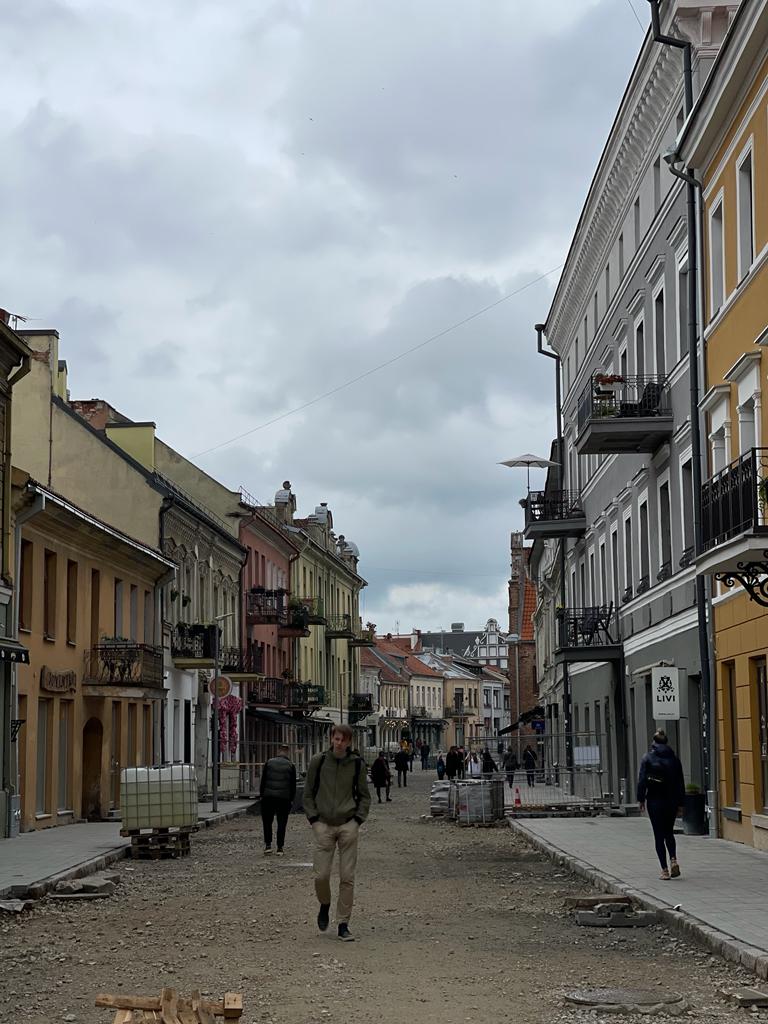
Well I made up for the rainy and depressing day, big time! Turned out that Kaunas just became Cultural Capital of Europe 2022 and that – to celebrate this – the entire center of town was full of festivities. Podia with bands playing, markets ect. Despite the heavy rain, there was still a big crowd out on the streets and squares. We found a very cozy pub in a semi dungeon and Marja got her birthday cake with all other guests singing for her! But the cherry on the pie was one we really didn’t expect. Old Kaunas is at the junction where two rivers join (conjunction). It was there that a gigantic event took place that evening. Thousands and thousands of people gathered along the river bank to see one of the best laser, light and fire works shows I have ever seen. And not only that, many well know singers, the Latvian choir and Philharmonic orchestra as well as performances on the river itself with jetski’s, kayaks and sailing boats, were part of the show. The choreography of it all was amazing. I thought with Vegas I had seen the top, but this came very close to that top or even a little better.
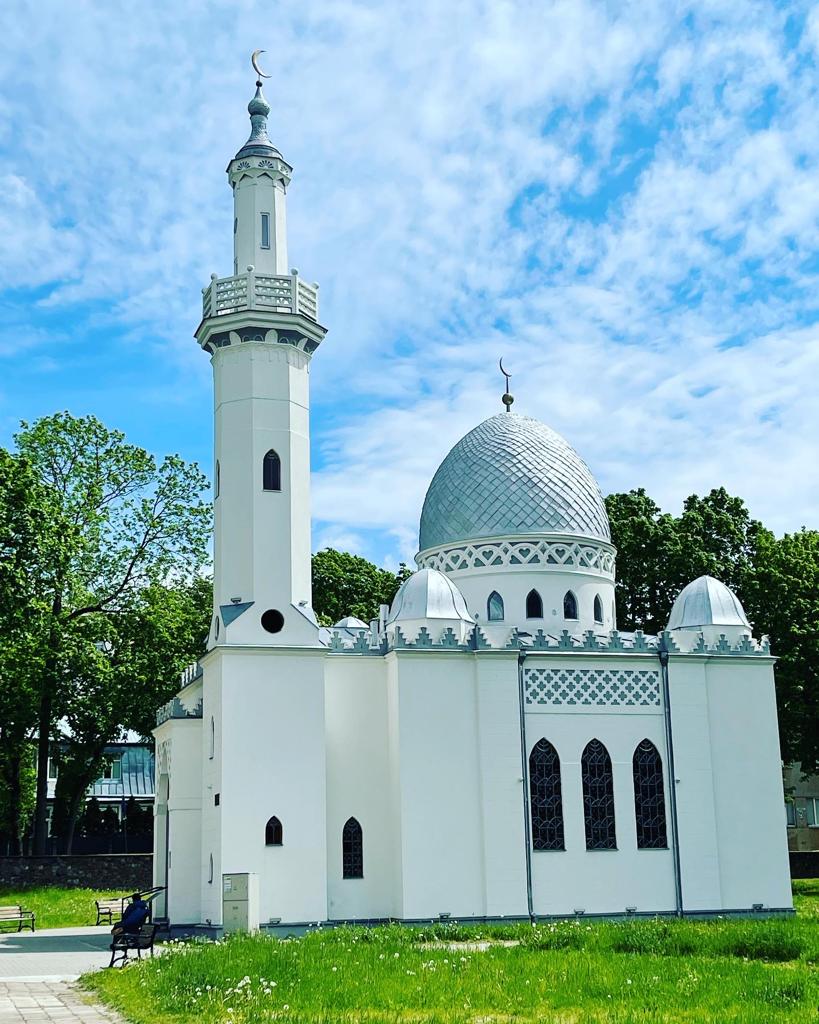
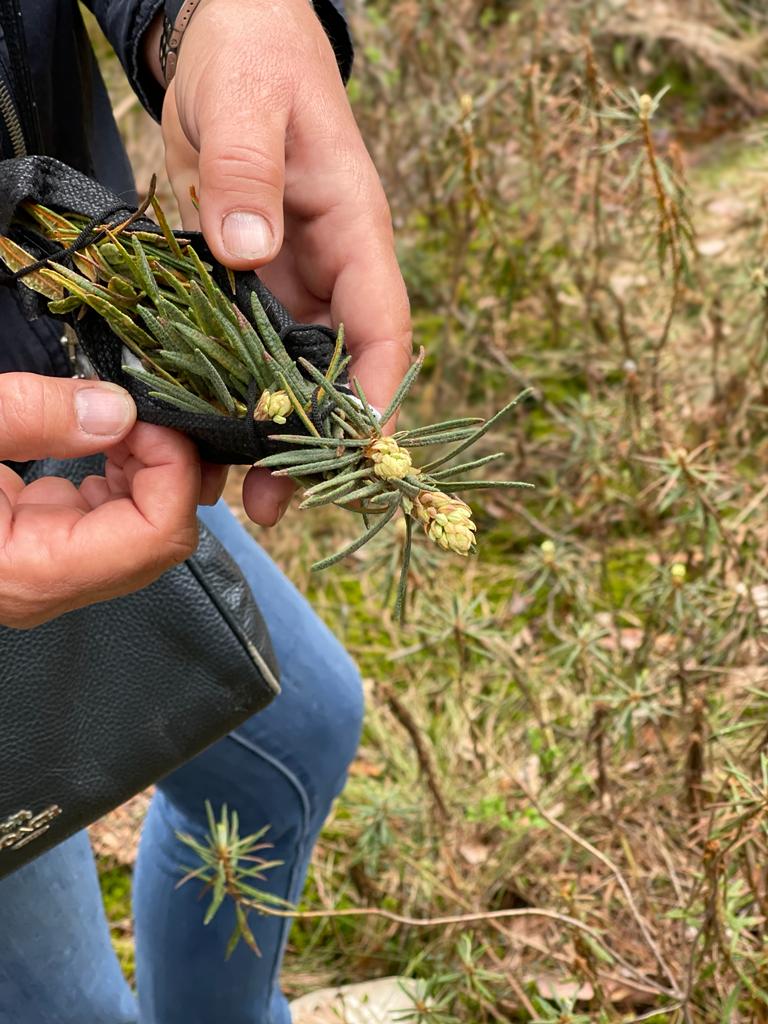
We spent the night on the spot where we parked and woke up early the next morning to walk through to old town and visit the hundreds of market stands (they were there where we actually wanted to park in the first place). I love to see those markets were locals sell those products you can’t buy easily elsewhere, especially the food items. From different types of bread (bread with spur tree seeds and needles, check out how unbelievable healthy spur tree needles are.), to forest mushrooms to honey and berries. Eating fresh real local food is a big part of the travel experience. An interesting story of the city, is the story of the Tartars. Originally coming from the areas of Crimea and Mongolia, a number Tartars were hired by the Grand Duchy of Lithuania to become his personal body guards in the 14th century. They brought with them their own culture, cuisine and religion (Sunni moslim). Up till today, the Tartars are still holding on to their culture in Lithuania and have their own mosques. The Tartars settled mostly in and around the city of Kaunas. The story of the Tartars is fascinating, especially in light of todays immigration issues in Europe and the concept of multi-cultural societies.
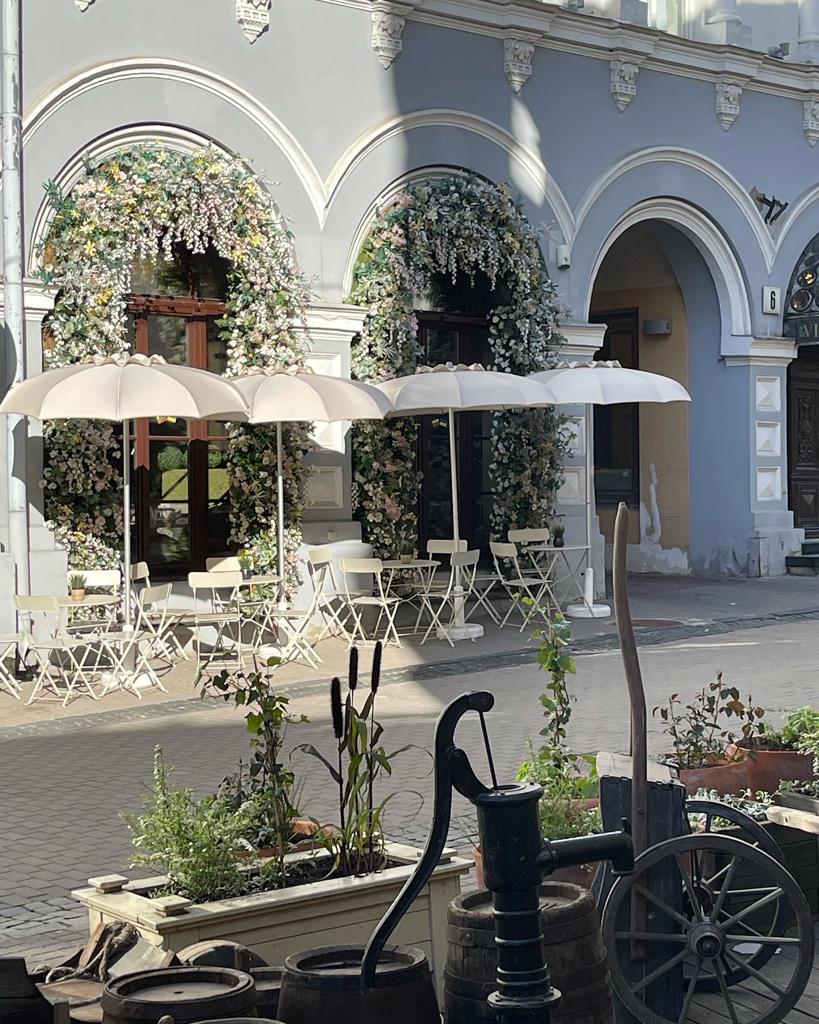
As it was Sunday again, we made a move towards Vilnius. The 3rd capital city to visit and the 5th sizable town. Sunday we prefer (I already told you why). In this case, it was not completely true. It was nice weather, and a lot of local day-trippers on the road. Furthermore our nav system was not up to date with the reality on the ground. Roundabouts were gone and replaced with flyovers for example, and we had a city camper camping/parking chosen almost in the middle of town (Downtown Forest Camp). Well it went wrong! I call that usually a mouse trap. Despite all the no truck signs I kept on going, following the directions on my Garmin. The road was getting narrower, more pedestrians who were looking at us with disbelieve. And yes I ended on a little triangle square with a terrace in the middle…..trapped! However there was just enough space behind the terrace to go around, with some people having to move their tables and chairs, while many were making photos (to either report us to the police, or just loved to see this Alien truck coming from a place they probably never heard of). Like a lucky mouse I made it out, leaving food for an extra conversation on the table for the terrace guests.
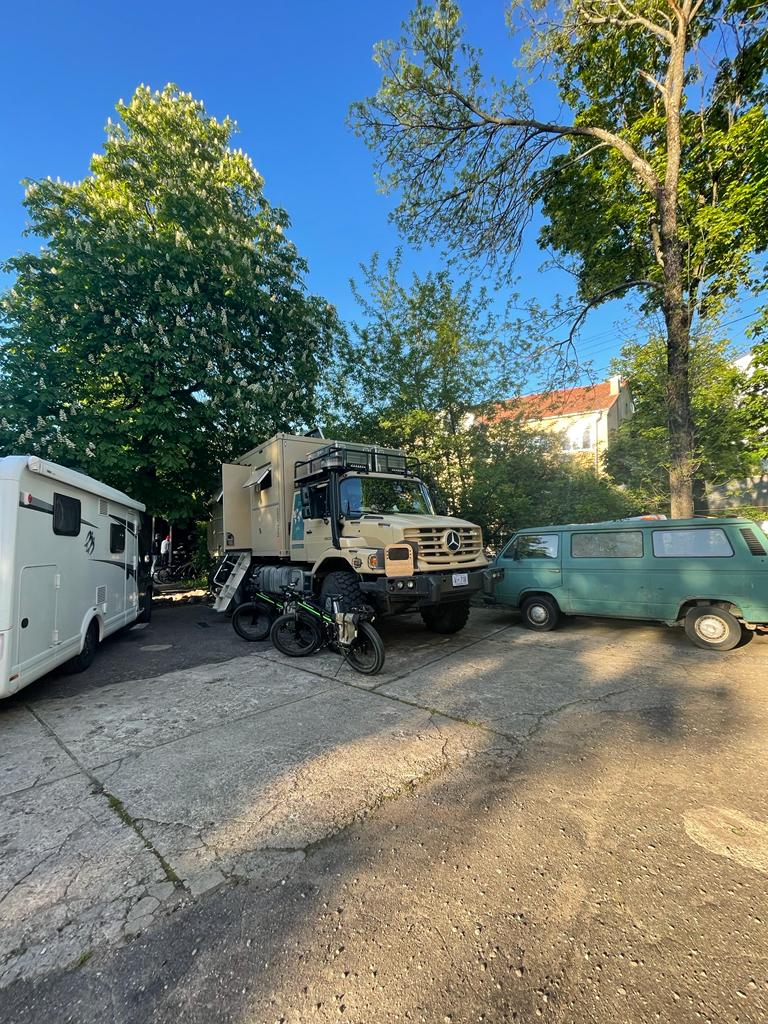
Now we had to figure out the manual exploration way, the road to the camp site. I parked the truck and walked towards the coordinates of the camp. I found it, not big, but indeed in a patch of forest in down town Vilnius. A kind of overlander, back packer, hippy place, something we hadn’t tried yet. I walked back in such a way, that I was sure the truck could make it. And yes, narrow, and forbidden for trucks, but we made it. Parking a big expedition vehicle on a overlander/back packer camp site, was a bit out of place, but we were ”excepted”. The site was also in use as a hostel and many Ukrainian and Russian refugees were staying there as we arrived. The mix of people and their back grounds were a great base for lengthy talks and discussions and brought us back to the todays reality in the world.
As a coincidence (and thanks to social media), we found out that a friend from Norway we met in Monaco last year, was also in town. Evening agendas were quickly aligned and a diner evening was arranged. Its nice to be part of an international travel community and you can catch up with each other once in a while, somewhere unexpected.
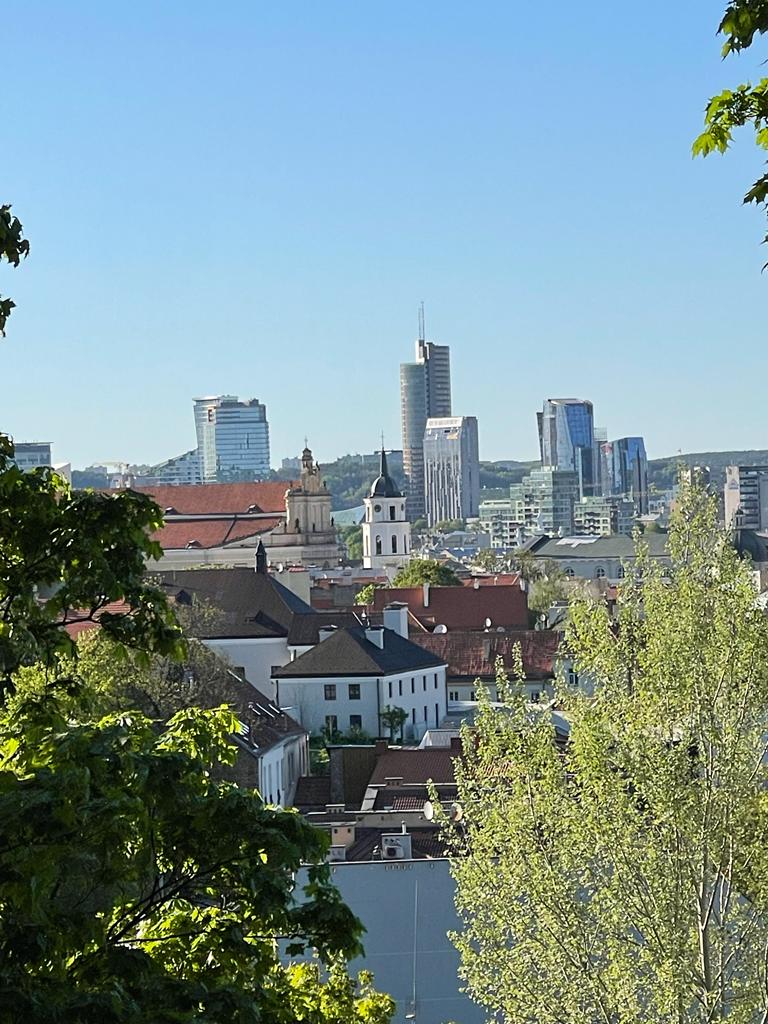
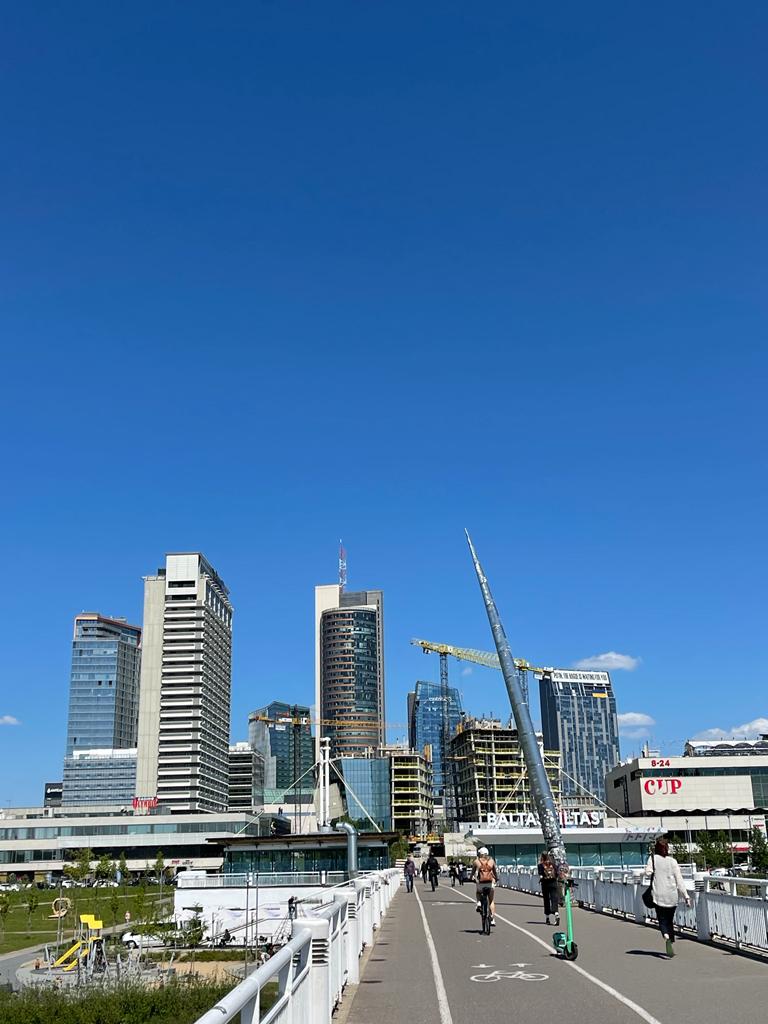
Next day we did a big hike through town. Vilnius is the second largest capital of the 3 cities. The old town and its most historic buildings are a bit scattered around, not like Riga or Tallinn, so you had to walk a lot. Vilnius is spread between hills and the Neris river. Due to this, there is also a lot of green areas in the city. We rode along the river, unfortunately the wrong side. This was a kind of mountainbike trail, steep, bumpy and very close to the waterline. Of course we made it to the end (amazing such an adventurous bicycle trail in a city!) and found a crossing to the other side. Like other big cities in the Baltics, Vilnius is also not really for bicycle tourism (limited bicycle paths and signage).
One of the most famous castles in Lithuania is the Island castle of Trakai. Located on a small island in lake Galve. It was even more famous when it was still a ruïne, before an extensive renovation period. Since the early 1700, the ruïne attracted travelers, writers and painters for its unique look. Nowadays, after hundreds of years past, thanks to extensive research the castle has been restored in its old glory and attracts visitors from all over the world. The lake and the little town of Trakai, are also a major water sports area for the Lithuanians. Its a bit over touristic, but still nice for a day trip.


Leaving the busloads of tourist behind as well as the paid parking spots, we wanted to go back to the adventurers mode. We set course to the Dieveniskes appendix, a peninsula piece of Lithuanian territory, almost completely surrounded by Belarus. Its often called the ”forgotten corner of Europe”. And indeed that is for sure the impression we got during our visit.
First, before you enter the appendix, you pass a border guard control post. Due to the immigrant issues and the present tensions between the west European countries and Belarus, everybody going in this area must show id, and give an explanation for the visit. That was all approved and we could drive on. Many, small and isolated settlements we came across and often only inhabited by very old people (mostly with hardly any teeth left). The services are very basic and people are busy with substance farming. Passing through a village we engaged in some kind of conversation with an older lady. She has lived her entire life in that small village and has hardly see anything of the rest of the the country, let alone the rest of the world. Tough, she has lived in 5 different countries during her life time but never moved (revering to the changing of borders she has endured).
Being surrounded by Belarus, we found (again) a great spot to camp at a small lake that night. To stretch our curiosity a bit more, we wanted to see one of Europes most remotes castle, a castle literally on the edge of ”Fortress Europe”. An castle-like mansion built in the 16th century (nowadays privately owned). A small village (20 inhabitants or even less) is next to it, as well as a beautiful little wooden Renaissance style church.
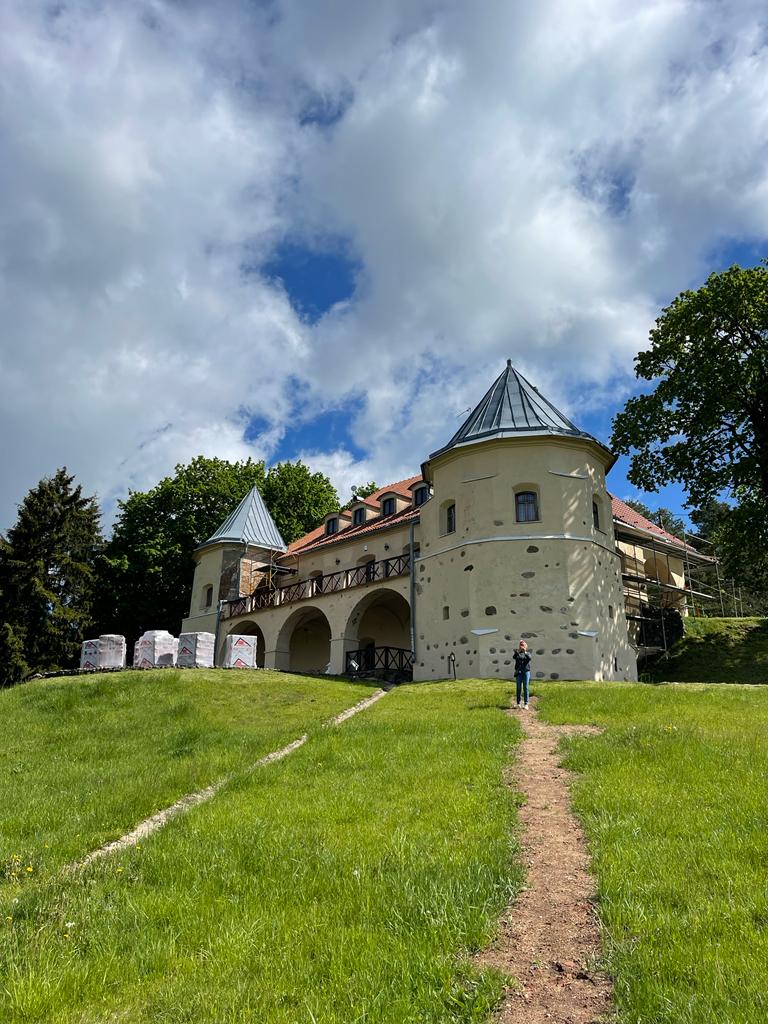
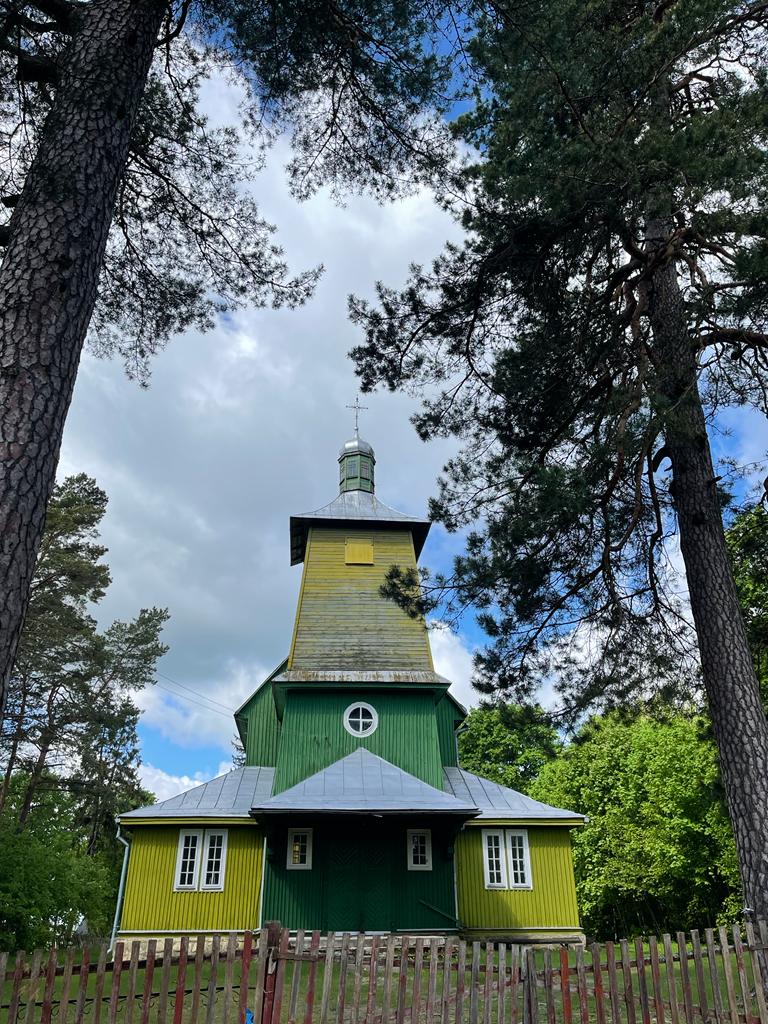
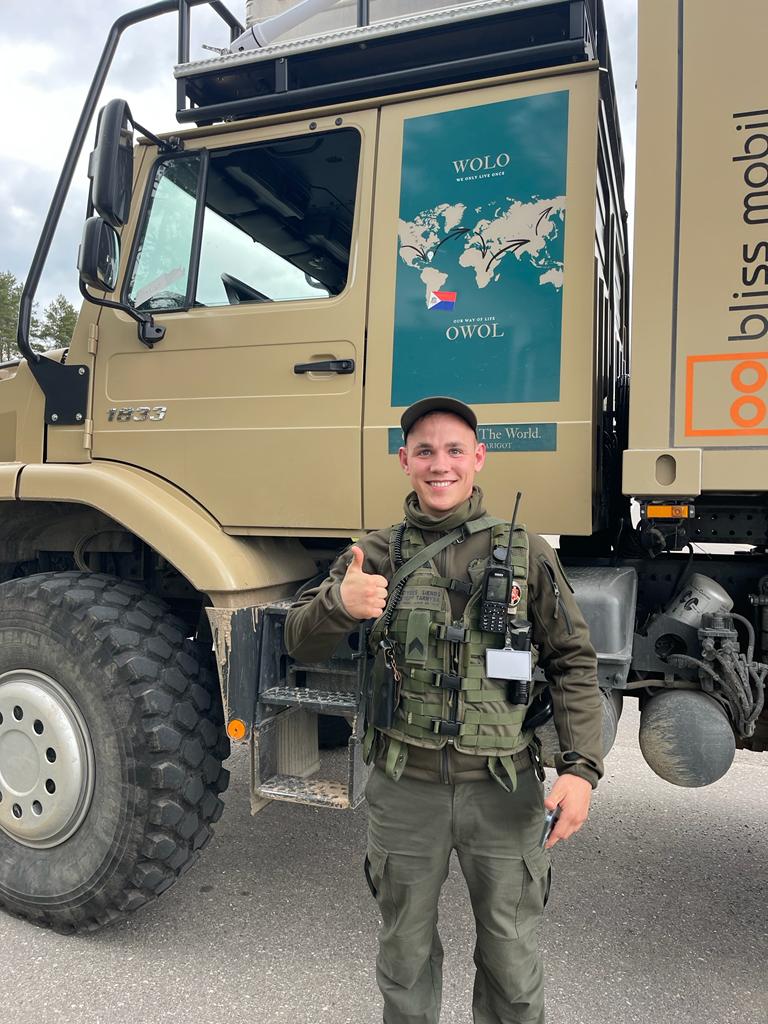
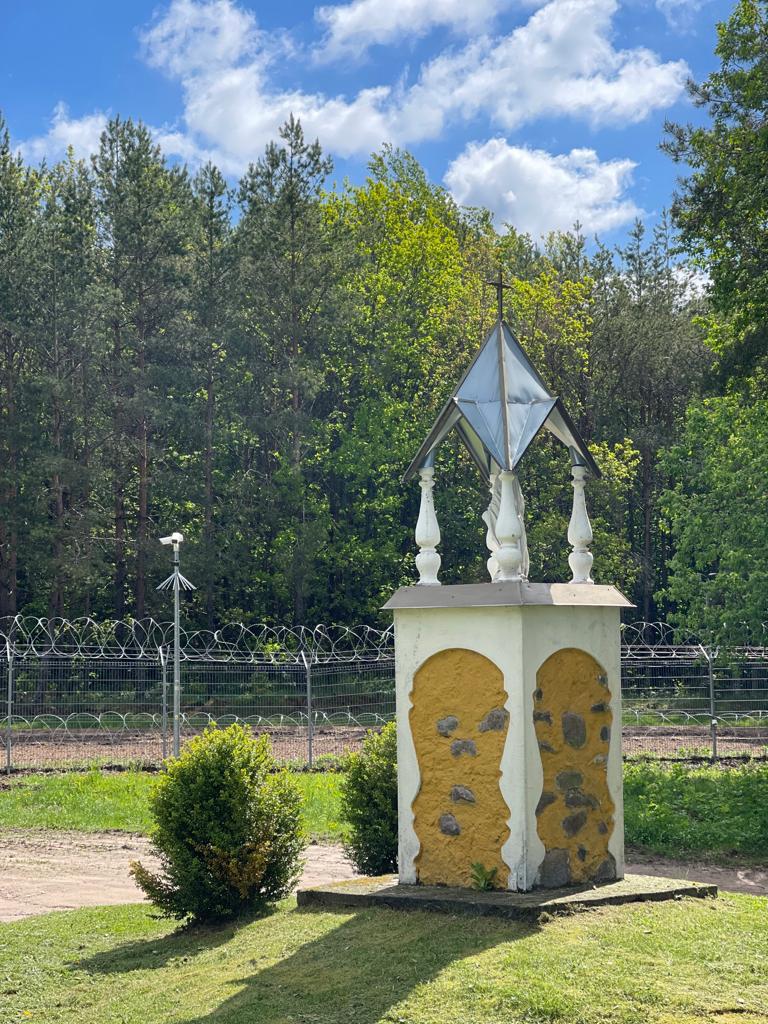
When we arrived a jeep of the border guard was waiting for us and our papers were checked again. Guys were friendly and wanted to make a photo of the camper (even with one of them with it). The castle was being renovated, but the workers let us have a look. We then saw that behind the castle was a huge grave yard (next to the church) and behind we saw someting, that in fact, we hadn’t see yet. The new iron curtain of Europe…. A high metal fence with barb wire on top, and many, many cameras, all along the border between Lithuania and Belarus. As we will see during the rest of our trip along the border of the EU, this new iron curtain is coming out of the ground all along. Its weird to realize, that in the times of the so-called Cold War, the ”otherside” (USSR), had built an iron curtain to avoid people from leaving their territory (and to avoid western influences reaching the communist territory), while those who managed to get into the western part of Europe were welcomed as heros. Nowadays, the western countries are re-building the iron curtain, to avoid people from coming in. Only about 60 plus years is in between those two opposite situations!

A statute of Mother Maria near the graveyard, was looking towards the fence and I wondered if only she could speak and tell the stories of all the people and situations she has seen and witnessed and explain to me, what do we as humans do wrong?
We had seen enough and started our journey back to ”mainland” Lithuania. First we were stopped again and documents were checked. Moving on we reached the control post at the beginning of the appendix and yes, another control. Not only the papers, now also inside the truck (just in case we would smuggle somebody into Lithuania, which made sense, thats what their job is all about). Ending the session with a nice photo shoot of course.
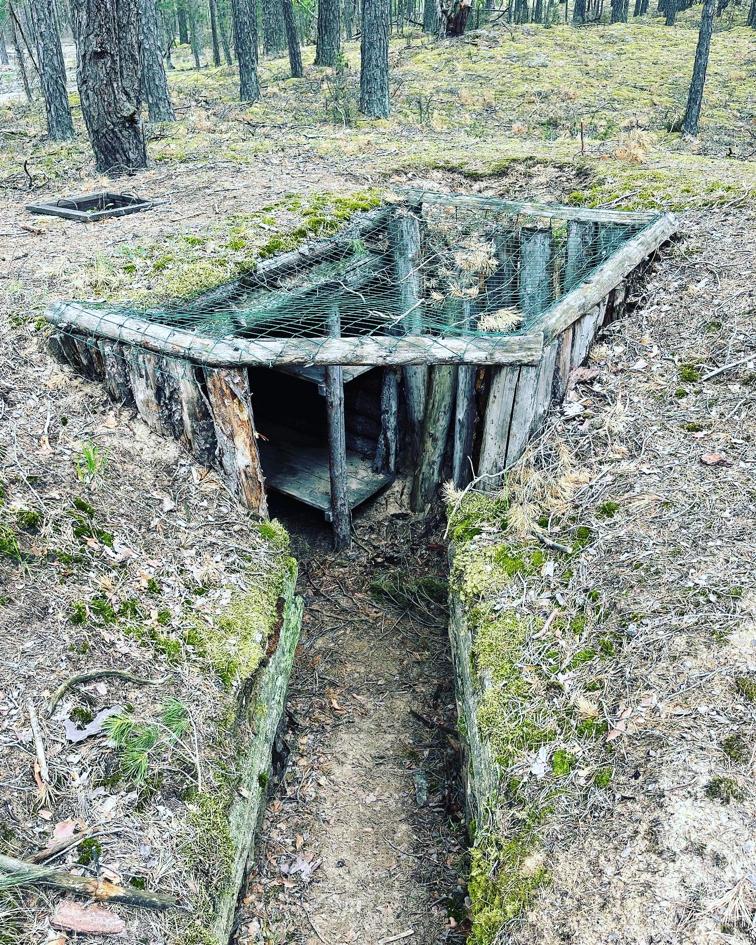
We were edging closer to the border with Poland. Driving through a forested area, we squeezed the truck into a small forestry trail towards a Partizan monument (the 3rd one of its kind we had seen so far). Always interesting, amazing and impressive to see how these guys had to hide in camouflage, in a hole in the ground, just to avoid being detected. But with almost all of them, the enemy (Germans or Russians), used such brutality and mean methodes that sooner of later, somebody in their environment ratted them out. (The bastards!)
Getting out of that area, we took a different route and then, yes, the unthinkable happend, the truck got stuck in the mud! And I was always thinking that a truck like this, could never get stuck… wrong! Now, it showed that because of my 100% faith in the truck’s capacities, how unprepared I was, we didn’t carry any shovels and sand ladders with us. So we tried by hand, digging and filling, placing pieces of tree, but to no avail, we were stuck too deep in the mud. It also started to rain, and thunder and lighting made the whole first experience of being stuck complete. It was early evening and the truck was angled badly, making it very difficult to stay inside, so we had to get out. I decided to find help. I took my Garmin with me and started walking. Not really scared, but you know there are wild boars, wolves and even bears in the forest. After about an hour I found a compound with 3 houses. One gentlemen was around, but only spoke Lithuanian. I showed him the pictures on my phone of the situation of the truck and he understood that I was in trouble. (Mind you, a few months ago, many illegal immigrants were roaming these forests and showed up at houses like this, and that did not always workout well. So I carried my passport with me, had my phone with me, just to make sure, who ever I encounter, I could show that I only had a stuck truck problem).

The gentlemen brought me to another person, who was working on a piece of land bordering yet another beautiful lake (Located in the Dzukija National Park). This gentlemen spoke a bit of German (and so do I), so we could have a conversation. He did not have a big tractor, but a truck, and a Bobcat, ropes, shovels and sand ladders. He didn’t hesitate and before I knew I was in his truck and with my back tracking on the Garmin, found Marja and the truck. Within 30 minutes we got loose. Shovels and sand ladders did the trick (and I learned some additional tricks from the guy). We were very happy that we got out and learned that we should be better prepared. The nice gentlemen, offered us to park at his place for the night, which we gratefully accepted. It was a terrific spot on a piece of pastureland on the lake side. (In summer time he has occasional campers on that spot). But the joy was not over yet. He asked us, since we were cold, dirty and tired, if we wanted to do the sauna. So now I thought, we were having a language problem, since I thought, no, this is not what he is asking. He saw the confusion on my face, he said ”no worry I bring it to you”. You know I had really no idea what he was offering or what to expect. So he left and Marja and I started to clean the truck and ourself a bit and (since it was late), prepare diner.
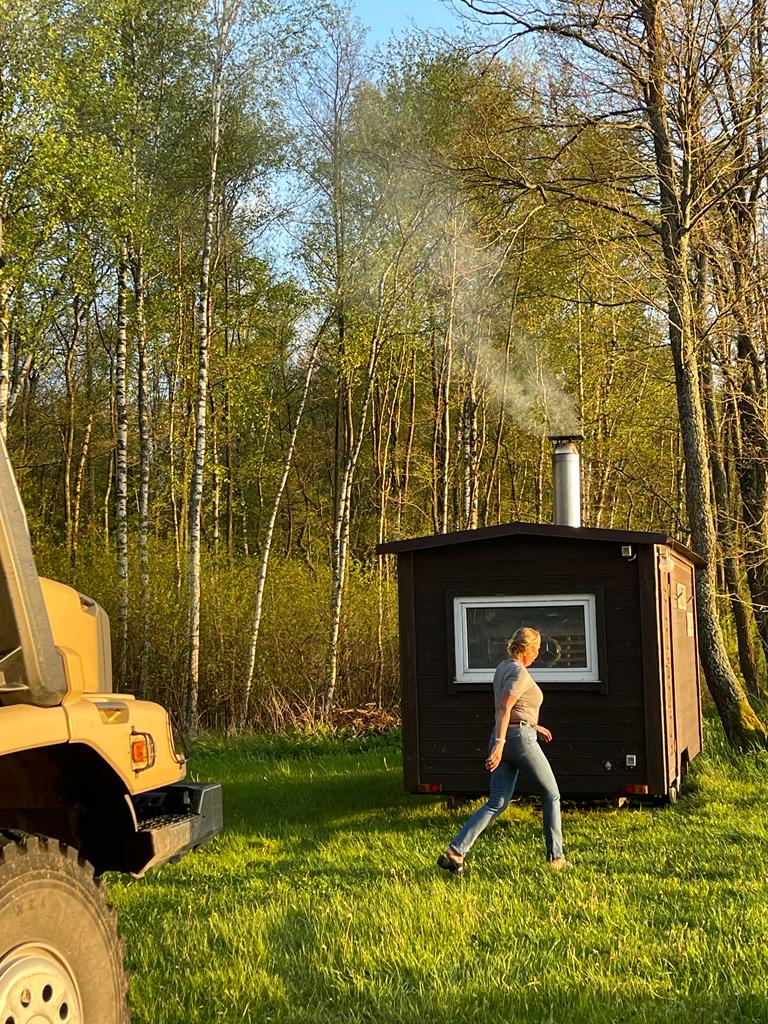
You should have seen the surprise on my face, when he came backing up with his little Bobcat, towing a big mobiel sauna! The smoke coming out of the chimney, ready to go! An hour or 3 before, we didn’t even know each other, now he had helped us to get out of the mud, offered a nice spot to park the truck and even brought a whole sauna next to our truck. Its so joyful to experience that despite all the misery in the world, there are such nice and good people out there, who just are nice and friendly, simple as that!
We finished our diner, while he parked and stabilized sauna. He even lite a big camp fire on the other side of the truck. Marja wanted to do a sauna since the beginning of the Baltic trip, but we never got to it. Now on almost the last day in the Baltics, the sauna even came to us. To top it of, there was a bottle of locally made ”rocket fuel” in the sauna, in case the sauna was not hot enough. Being at the ”private” lake, a few runs up and down into the cold water, was what made a day which turned bad, in one of our very best days.

The rain started again the next day. We had one more Item on the list in Lithuania, we wanted to see, Grutas park. After the Soviets left in 1991, nearly all items which reminded of the Soviet area, were removed, to erase what was a terrible time in history. Statutes, paintings, flags etc, all were collected from all over the country and, when not destroyed, stored in junkyards and warehouses. A clever local businessman (the “mushroom king” of Lithuania) came up with the idea, to start a museum around his house showing all these statutes. He won a bid to get all the stuff, as long as he financed all the collection of these items (some statutes weigh many tons) himself. Although in the eyes of many pretty controversial, he started a very interesting museum. From buttons, to spoons, bustes etc, it’s all there. Next to the statues and other items the biography of the persons personalized (the bad guy), written explanations are posted explaining all bad stuff they were up to and had done. In the meantime this Mushroom King (and I disagree with this part), Disneyfied part of the outdoor exhibition, with a mini zoo (animals are kept in truly terrible conditions), have some clowns walking around and there is a fancy restaurant. All in all, it was very interesting to see so many Soviet relics at one place (and I must say well displayed) and have a sneak peak in the past of the ”Great” Soviet Union.
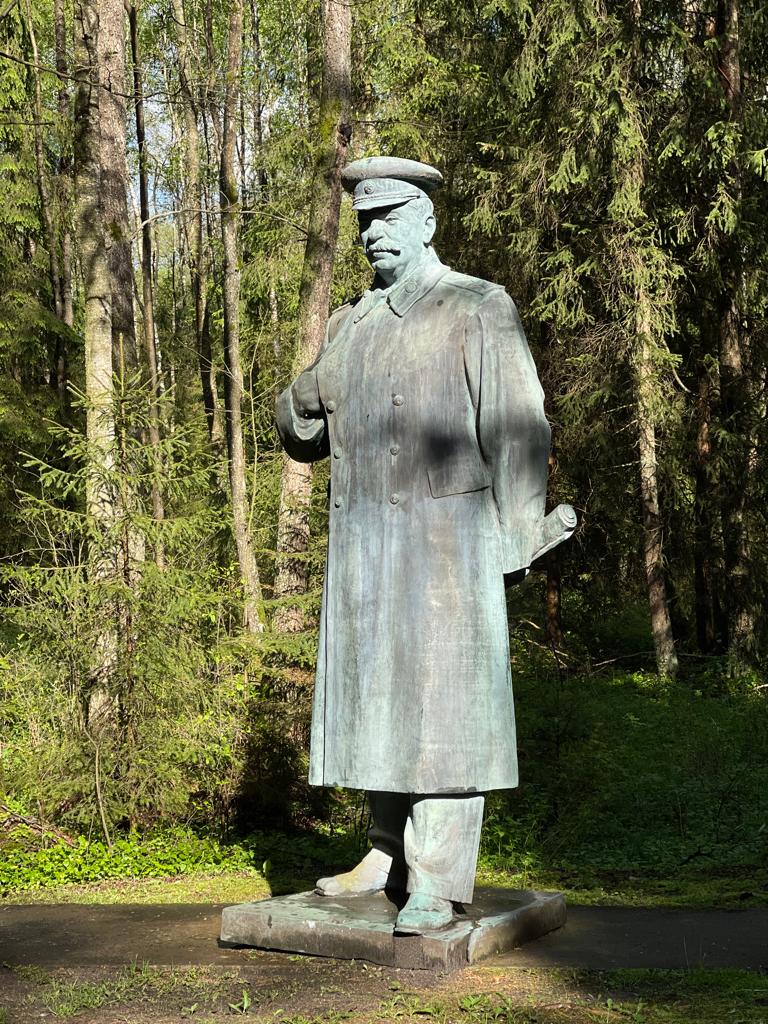
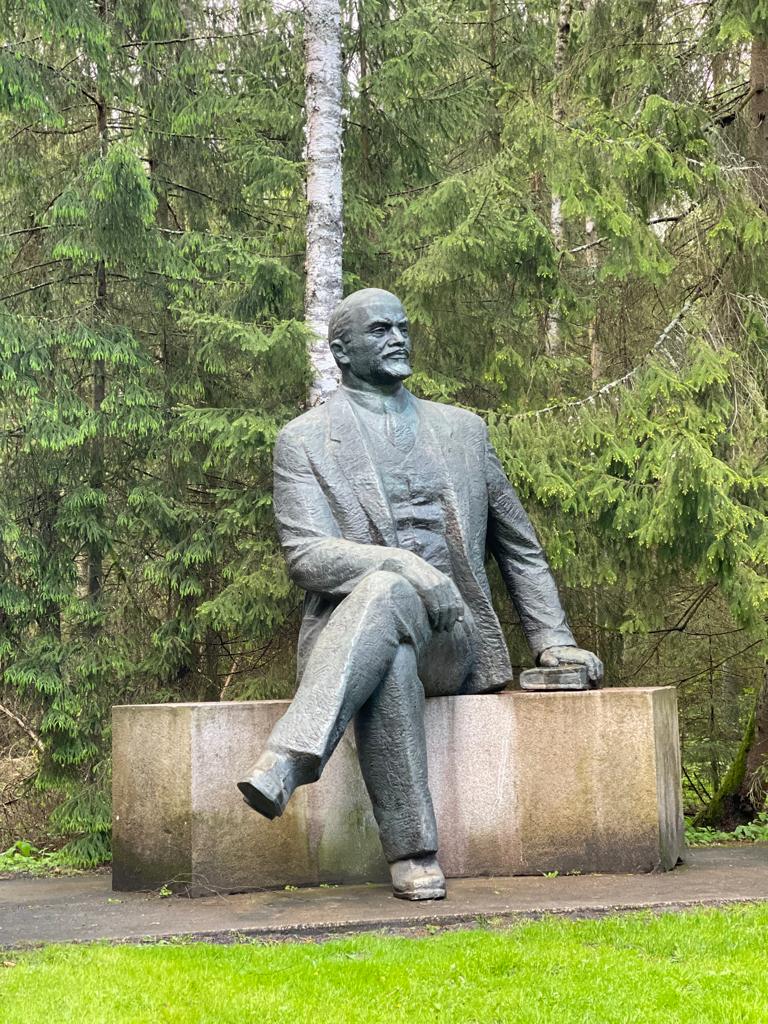
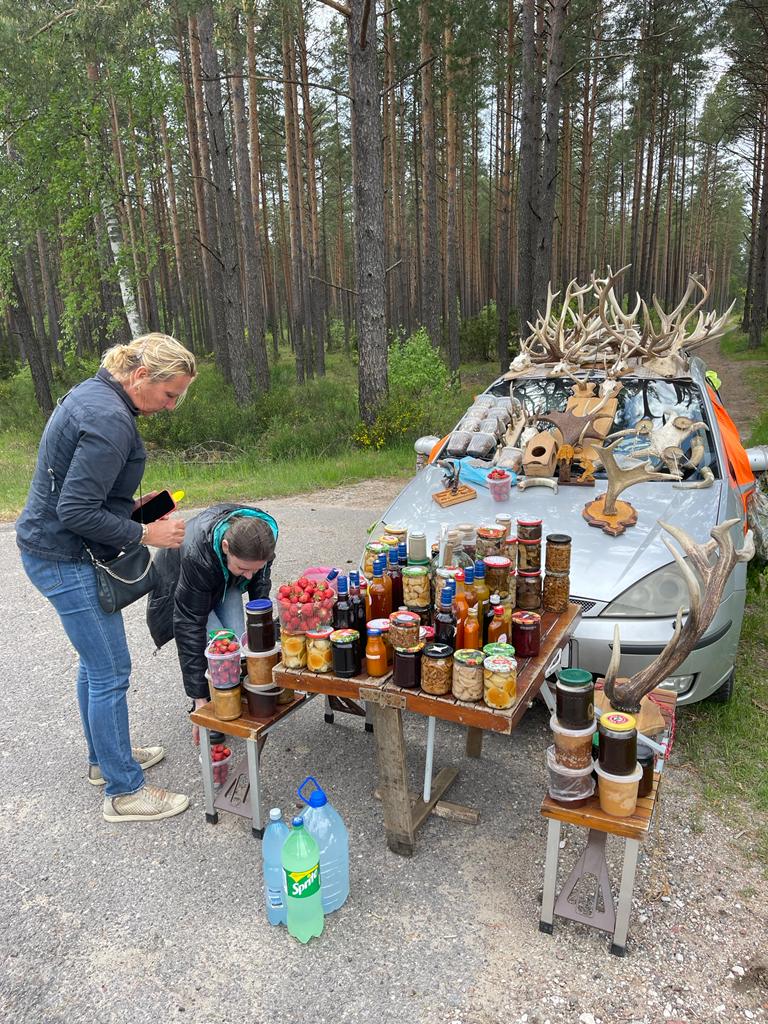
We slept one more night in the forest of the park, but not before making a stop along the road, where a couple was selling seasonable food items from the forest. Berries, mushrooms, certain home made juices etc. And you know we love that. Mushroom and berry picking is a very common activity this time of the year and people are allowed to do so, also in the parks.

A trip of over a month through the Three Baltic states came to an end and was of course too short. There is still so much more these three countries have to show us, but we definitely will come back. We have now learned so much about these countries, their past is intriguing and unbelievalbly sad at the same time. They still struggle to lay to rest the more then 50 years of brutal German and Soviet occupation, but at the same time they work hard to become strong and progressive nations within the constellation of the EU. Their innovative young generation, want to move forward and be part of a global and digital world. The Baltics are definitely worth a long visit and not just their famous capitals.

Visaginas is in Lithuania, not in Latvia 🙂
Hello Rrr,
You are totally correct. How stupid of me. Will correct it. Thanks for your reaction (finally somebody noticed)
Kind regards,
Henk